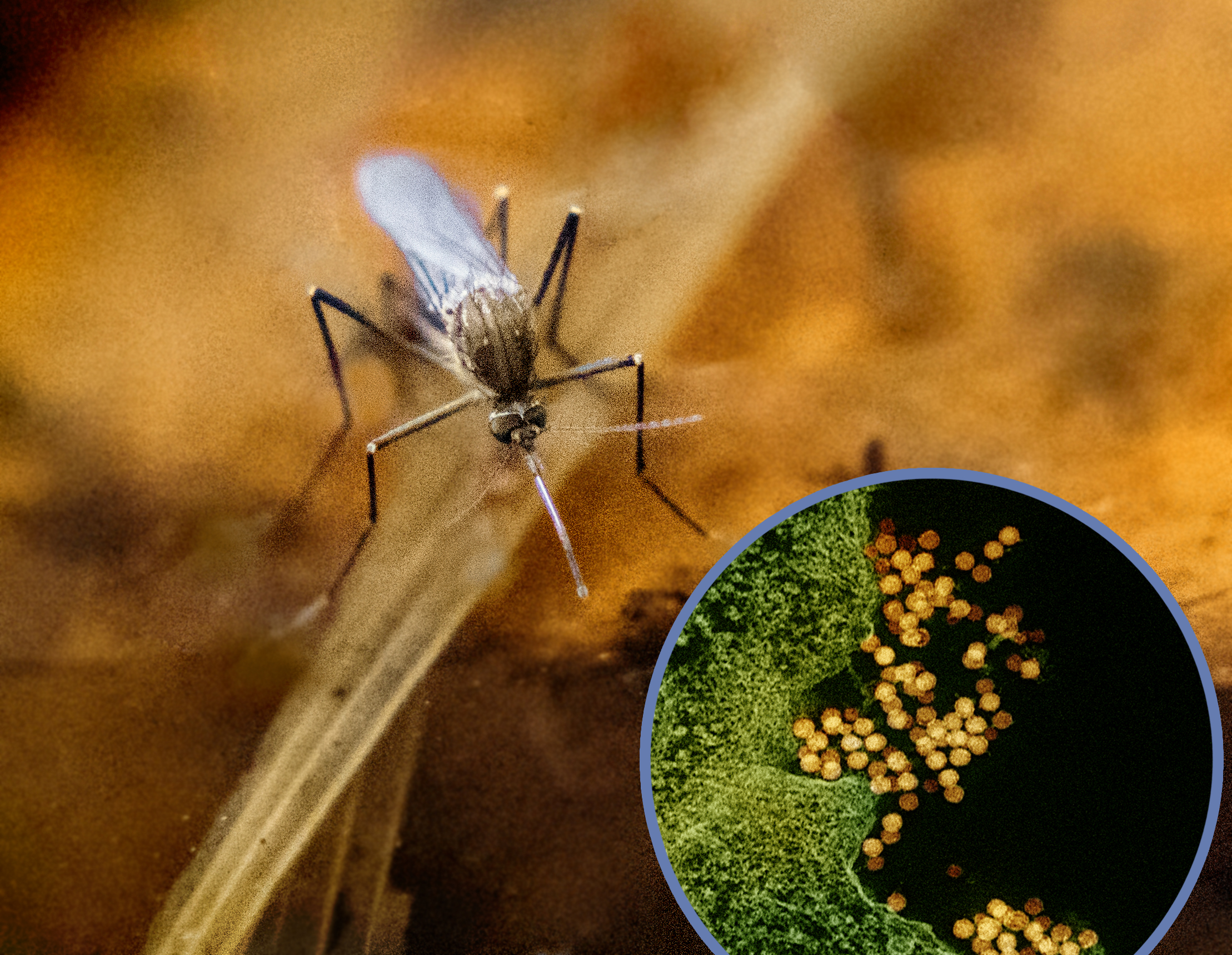
A Symmes Township resident is the first person in Hamilton County confirmed to have West Nile virus in 2026.
Hamilton County Public Health (HCPH) announced the case Monday, Oct. 5, after investigating since Sept. 17. The patient was admitted to a local medical facility. Health officials believe the person was bitten by an infected mosquito in the Tri-State area, according to WKRC.
HCPH's jurisdiction covers all of Hamilton County except Cincinnati, Norwood and Springdale.
Environmental health specialists performed mosquito surveillance near the patient's home and treated standing water with larvicide to prevent further breeding, according to HCPH.
The case hits close to home for Anderson Township and Mariemont residents. In 2025, Hamilton County recorded one human West Nile case, and mosquito samples in Anderson Township, Wyoming and Green Township tested positive, WCPO reported. In 2026, the only positive mosquito pool in the county was trapped in Green Township on July 30, FOX19 reported.
Dr. Stephen Feagins, medical director at Hamilton County Public Health, said the virus can cause severe illness in vulnerable populations. "Those are quite serious, so it's essential to avoid being bitten by infected mosquitoes and to seek medical care if you develop symptoms of West Nile virus," Feagins said.
Most infections are mild. People bitten by an infected mosquito may have no symptoms or only a mild reaction, such as fever, headaches, body aches or rash. But those who are immunocompromised, elderly or have chronic medical conditions face a higher risk of serious neurologic illness.
Statewide, the Ohio Department of Health reported at least 16 human West Nile cases as of Oct. 1, according to Spectrum News 1. Ohio averages 47 human cases per year.
Mosquitoes remain active through roughly the first frost, and HCPH is urging residents to follow its "Drain, Dunk, Protect" guidance:
- Drain standing water from gutters, birdbaths, toys, tires and other outdoor containers.
- Dunk larvicide tablets in standing water that cannot be drained.
- Protect yourself by wearing loose, light-colored clothing and using EPA-registered insect repellent, especially at dawn and dusk.
HCPH has not disclosed the patient's identity, age or current condition.