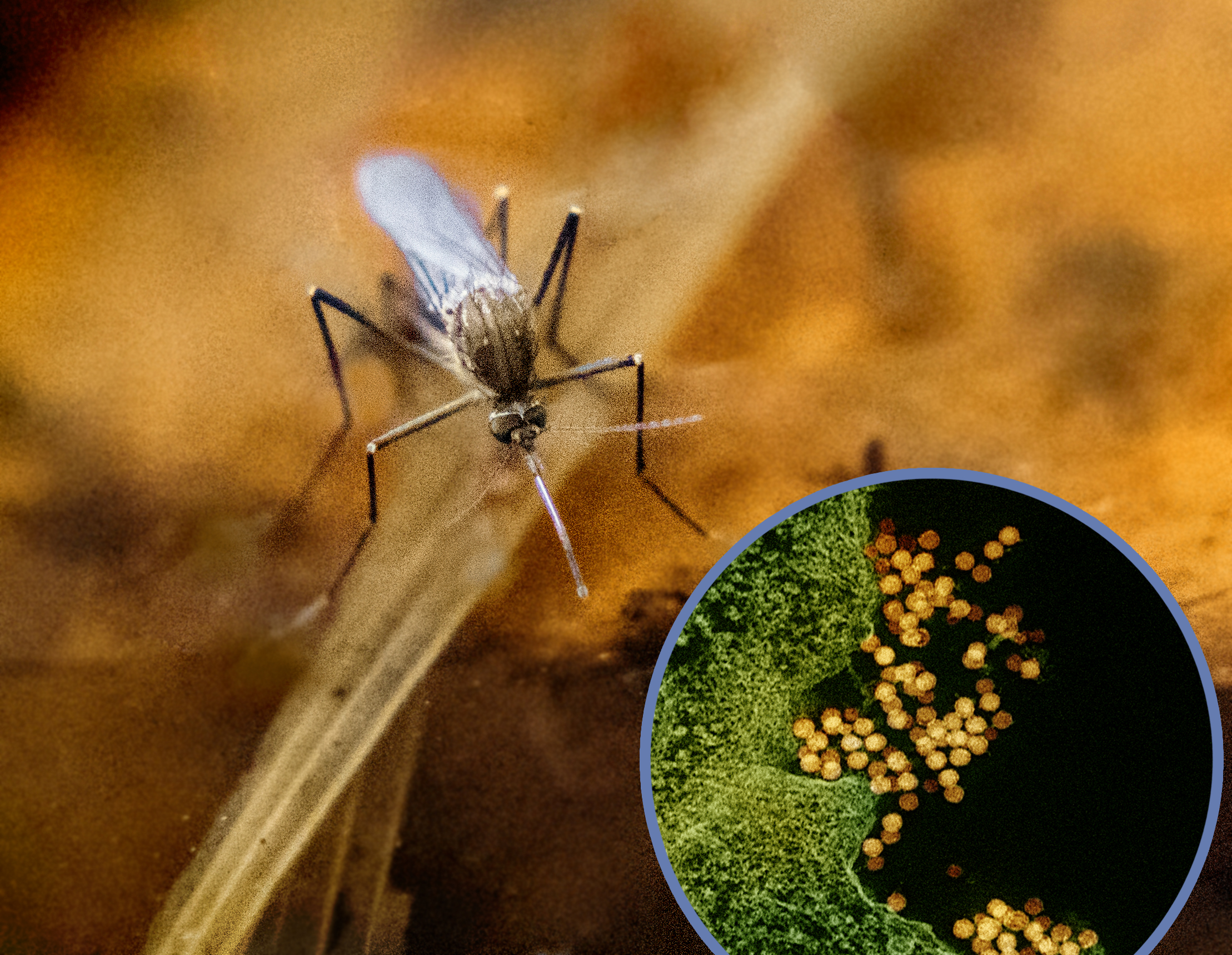
Mosquitoes trapped in Green Township tested positive for West Nile virus, marking the first detection of the disease in Hamilton County this year.
Hamilton County Public Health (HCPH) announced Wednesday, Aug. 26, that mosquitoes collected July 30 carried the virus.
No human infections have been reported.
The agency's jurisdiction covers all of Hamilton County except Cincinnati, Springdale and Norwood. That means Anderson Township, Mariemont, Terrace Park and Newtown all fall under HCPH's mosquito surveillance program.
What HCPH is doing
Environmental health specialists are surveilling the Green Township area where the positive trap was collected. They are treating standing bodies of water with larvicide to prevent more mosquitoes from breeding and distributing educational materials to nearby residents.
As standard practice, HCPH traps mosquitoes throughout the county and sends them to the Ohio Department of Health for testing.
What residents should do
HCPH recommends its "drain, dunk, protect" method:
- Drain standing water from pools, birdbaths, wheelbarrows, old tires, gutters, toys and open containers.
- Dunk larvicide tablets into standing water that cannot be drained.
- Protect yourself by avoiding outdoor activity at dusk and dawn, especially in humid or wooded spaces, wearing light-colored loose-fitting clothing and applying mosquito repellent according to product instructions.
About West Nile virus
West Nile virus affects the central nervous system and spreads to humans through the bite of an infected mosquito. Mild cases produce flu-like symptoms: fever, headaches, body aches, joint pain, vomiting, diarrhea or rash. Most people recover completely, though fatigue and weakness can linger for weeks or months.
Severe cases can cause meningitis, encephalitis or acute flaccid myelitis. HCPH urges anyone experiencing severe symptoms to see a doctor immediately.
How to report mosquito problems
Residents who notice high mosquito activity or standing water on an abandoned property or in an unmaintained pool can file a complaint online at hamiltoncountyhealth.org. HCPH's environmental health team will investigate.
Residents can also call HCPH at (513) 946-7000.