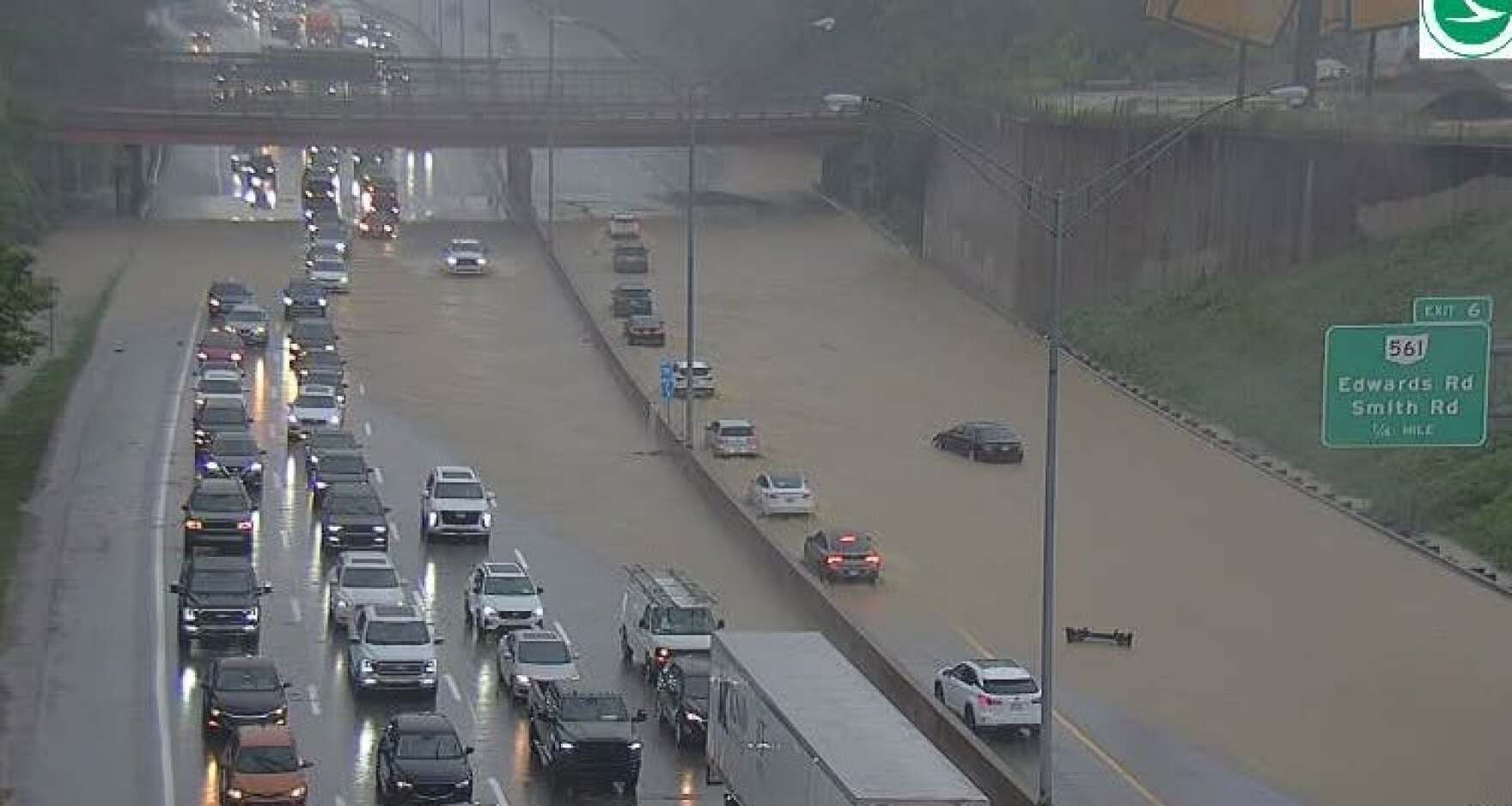
Nearly 1,900 sewer backup reports have been filed with the Metropolitan Sewer District since storms dumped five to six inches of rain on parts of Hamilton County starting Friday, July 17, with additional storms worsening conditions on Sunday, July 19 and Tuesday, July 21.
One person died and three were injured. For residents in Anderson Township, Mariemont, Terrace Park and Newtown, the damage count is still growing.
Hamilton County Emergency Management Director Nick Crossley told the Board of Commissioners on Tuesday that each municipality is conducting its own damage assessment, with some going door-to-door. As of that briefing, only Fairfax had submitted its numbers. All other communities, including those in the Anderson Township area, were still investigating.
That matters because the county needs to document 25 properties rated "major" or "destroyed" under FEMA damage assessment tiers to trigger a state or federal disaster declaration. "Major" means water reached 18 to 24 inches inside the living area or above the first electrical outlet, rendering the home uninhabitable without heavy repairs.
"We are continuing with our damage assessment process," Crossley said at the Tuesday commissioners meeting. "Obviously with your smaller communities, it's a much quicker process. In our larger communities, it's a little bit more complicated as we move through trying to figure out the level of damage."
If the county hits that 25-property threshold, Hamilton County EMA will work with Ohio EMA and FEMA to confirm the data and determine whether to issue a declaration, according to WVXU's reporting. A declaration would allow communities to apply for federal aid. A local or county emergency declaration is a separate process and is not required to trigger a federal disaster declaration.
MSD's $8.2 million backup budget expected to be exceeded
MSD Director Diana Christy told commissioners on Tuesday that the sewer system did not fail operationally. The hardest-hit areas experienced what MSD described as an unprecedented 1,000-year rainfall event, overwhelming the system's design capacity.
"The system is simply overwhelmed," Christy said. "It is not designed to convey that much stormwater over that time period."
MSD's annual sewer backup program budget is approximately $8.2 million, and Christy said the agency expects to exceed that amount because of the July storms. On July 23, Christy told WVXU that immediate cleanup funding was available and that she would be speaking with county commissioners about additional funding as needed.
As we reported July 23, about 500 properties had already been approved for the sewer backup program at that point. The total number of reports has since climbed from about 1,500 to nearly 1,900.
What Anderson Township area residents should do now
Report sewer backups to MSD by calling 513-352-4900 (24/7) or submitting a form at msdgc.org/sbu. MSD's official deadline is 48 hours after discovering a backup, though the agency has been flexible given the volume of calls.
Document everything. Take photos of all damage and create an inventory of damaged property. Contact your private insurer.
Start drying out your home. Open doors and windows, run fans and dehumidifiers. MSD says not to wait for their investigation before beginning cleanup.
Watch for contractor fraud. Check contractors through the Better Business Bureau at bbb.org or ask your insurer for a reputable list.
Need help navigating the claims process? An ombudsman through the Legal Aid Society is available at 513-362-2801 or [email protected].
Federal mitigation funding uncertain
The Building Resilient Infrastructure and Communities (BRIC) program is one potential federal funding source, but the Trump administration canceled the program citing "waste, fraud and abuse" and stopped disbursing billions already promised to communities. A federal judge ordered the program reinstated in late 2025, though it remains unclear when money will flow again. Both BRIC and the Hazard Mitigation Grant Program require a 25 percent local match.
Anderson Township's sewer infrastructure was already under stress before the storms. Hamilton County Public Health and MSD issued an alert on Wednesday, July 15, warning residents to avoid Dry Run Creek along State Route 32 near 8 Mile Road after heavy flows eroded creek banks and damaged sewer lines, causing a sewage discharge.
No deadline has been announced for municipalities to submit their damage assessment data to the county. Residents can sign up for emergency notifications through Alert HC at AlertHC.org to receive updates by text, email and phone.