In August 2006, hundreds of Anderson Township residents dropped everything to search Juilfs Park for a missing 3-year-old boy. They combed ravines, gullies, sewer pipes and swimming pools. Forest Hills School District sent buses to move volunteers in groups of 10 to 20. The Red Cross set up on scene. Restaurant owner Jeff Ruby posted a $10,000 reward.
The boy, Marcus Fiesel, was never at the park. He was already dead.
Marcus was a nonverbal, autistic 3-year-old in foster care with Liz and David Carroll of Union Township, Clermont County. On Aug. 15, 2006, Liz Carroll told investigators she had fainted at Juilfs Park and that Marcus vanished while she was unconscious. The story was a fabrication. Marcus had died of hyperthermia days earlier, left bound in a blanket with packing tape and locked in a closet while the Carrolls attended a family reunion in Kentucky. Temperatures in the closet may have reached 105 to 110 degrees.
Anderson Park District staff were wrapping up their annual Anderson Days review meeting at the Juilfs Park office when they learned a woman had fainted. Ken Kushner, then the park district's operations manager, recalled the moment in a 2016 Cincinnati Enquirer retrospective: "That's when everybody sprang into action and we had the park closed within a matter of a minute."
Thousands of independent volunteers joined the official search. Hamilton County's sheriff's helicopter flew overhead. Chief Deputy Sheriff Sean Donovan told WCPO in its 20th-anniversary report published Wednesday, Aug. 5, that the response went far beyond one neighborhood: "It was the whole Tri-State area looking for Marcus."
But a K-9 unit brought to the park with Marcus's clothing found no trace of the boy. Witnesses reported seeing only three children with Liz Carroll, not four.
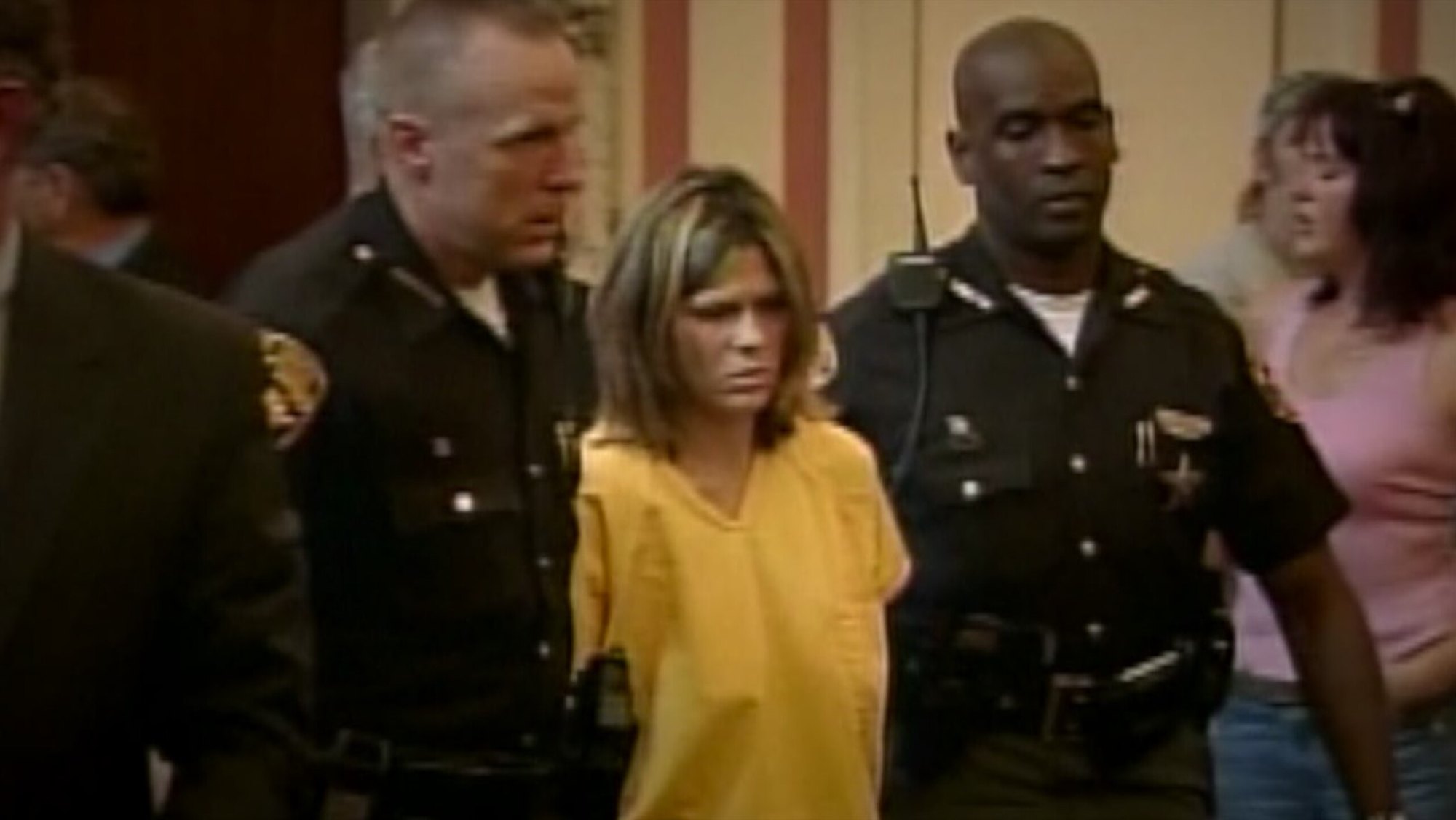
The case broke when prosecutors learned the Carrolls had attended a family reunion around the time of the supposed disappearance. Amy Baker, David Carroll's live-in girlfriend, was granted immunity and revealed what happened. Liz Carroll was convicted on all counts in Clermont County in February 2007 and sentenced to 54 years to life in prison. David Carroll pleaded guilty to murder and gross abuse of a corpse and received 15 years to life, according to Fox 19. He was denied parole in 2022.
Lifeway for Youth, the private agency that placed Marcus with the Carrolls, had its Ohio license revoked in 2007 after the state found nearly 150 policy violations, 27 specific to the Carroll case.
Reforms that followed
State legislators, foster care workers and child advocates recommended 55 changes to Ohio's foster care system after Marcus's death. Among the most significant: Ohio now runs daily criminal background checks on every foster parent. Child welfare advocate Holly Schlaack told WCPO that if daily checks had been in place in 2006, David Carroll's June 2006 domestic violence arrest would have been flagged and Marcus likely would have been removed from the home.
In 2009, the Ohio Legislature created the Guardian ad Litem system, giving every child in foster care a dedicated advocate. By the end of 2025, more than 14,000 children were being served statewide.
A local memorial, and a levy on the ballot
The Anderson Park District dedicated a section of the all-children's playground at Beech Acres Park in Marcus's memory on June 23, 2007. The park district's website notes the memorial was built "due to the outpouring of requests from residents for a tangible memorial within our community."
The case's legacy connects to a question Hamilton County voters will face in November 2026: a four-year, 5.61-mill levy to fund Children's Services through Hamilton County Job and Family Services. The levy would generate approximately $117 million per year, up from the current $81 million, and cost homeowners about $121 per $100,000 of home value. The current levy expires at the end of 2026. According to WVXU, Ohio ranks second-to-last nationally in state funding for child welfare, contributing 18% compared to a national average of 42%.