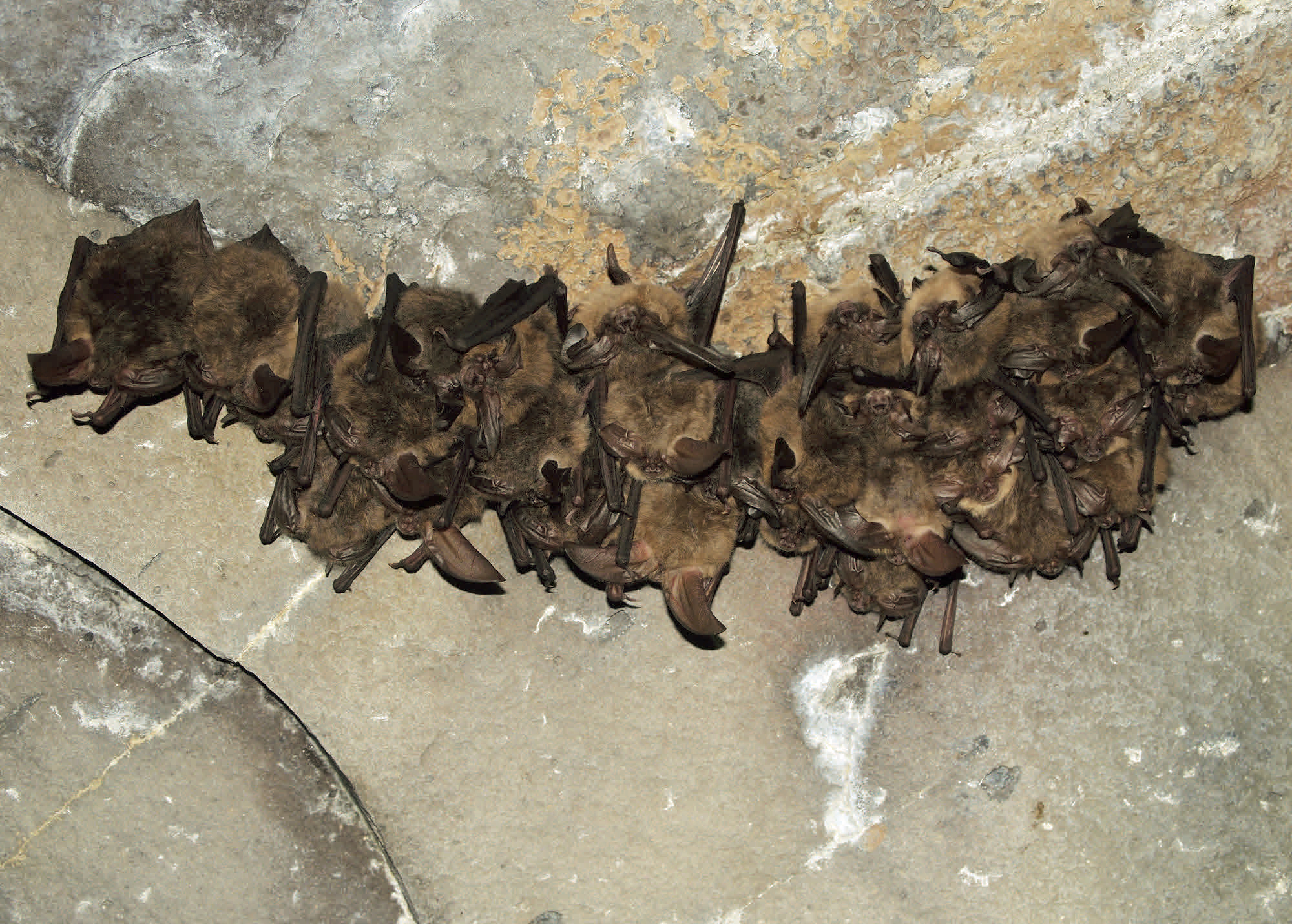
Hamilton County has recorded five confirmed bat rabies cases in 2026, according to state health data. The cases come as rabies exposures climb across the country.
The U.S. Centers for Disease Control and Prevention (CDC) issued a Health Alert Network advisory on Thursday, Sept. 10. Rabies-related inquiries jumped 17% from July through August compared with the same period in 2025, including reports of mass exposure events. At least eight state health departments reported increases in post-exposure prophylaxis (PEP) treatments, administration errors, or both.
The Ohio Department of Health's rabies map, with data through Sept. 2, shows all 49 confirmed animal rabies cases in Ohio in 2026 involved bats. Hamilton County's five cases rank among the highest in the state. Neighboring Butler County recorded four and Warren County two.
Bats are the leading cause of human rabies deaths in the United States. At least seven in 10 people who die from rabies in the U.S. were infected by bats, the CDC stated.
Treatment costs and vaccine demand
A single course of PEP can cost between $11,000 and $14,000 per person, the CDC stated in its advisory. About 100,000 Americans receive PEP each year.
Demand is surging. Weekly pharmacy data through Sept. 2 showed rabies vaccine use up an estimated 33% over 2025, WLWT reported. Rabies immunoglobulin use jumped an estimated 76%.
The CDC said there is no current shortage of rabies vaccine or immunoglobulin in the United States.
Mass exposure in North Carolina
The summer's largest outbreak involved a mobile petting zoo in North Carolina. Nearly 300 people were exposed to baby goats carrying rabies across at least 10 visits between July 28 and Aug. 27. Stops included assisted living centers and a back-to-school event. The state health department recommended PEP for 213 people.
What to do after a possible exposure
The CDC's advisory stressed that rabies is nearly 100% fatal once symptoms appear but is preventable with timely PEP.
Symptoms can take up to two months to develop. Early signs include headache, nausea and sore throat before progressing to hallucinations, paralysis and coma.
The CDC recommends these steps after a possible exposure:
- Wash any wound with soap and water for 15 minutes.
- Contact a doctor or public health professional about your risk and whether you need PEP.
- If an animal is roaming nearby and you can do so safely, confine it and call animal control.
How to report a bite in Hamilton County
Hamilton County Public Health asks residents to report mammal bites immediately by calling the Environmental Health Information Line at (513) 946-7800. The division tracks biting mammal reports and works with the Cincinnati Area Veterinarian Association on rabies policies.
The CDC also recommends keeping pets up to date on rabies vaccinations and staying away from wildlife.